 Sign in
Berlin's Vintage Jewelry: Wear the City's History
In Berlin, vintage jewelry is more than just a pretty accessory. It's a way to wear the city's history, to carry a piece of its resilience and reinvention. Here, where the past is always present, a brooch or a ring can speak volumes. For those who shop vintage to wear, not to trade, Berlin offers a treasure hunt like no other.
What to Look For
Start with the materials and craftsmanship. Look for pieces from the 1920s and 1930s, when Berlin was a hub of artistic innovation. The Bauhaus movement influenced jewelry with its clean lines and geometric shapes. Silver and semi-precious stones like onyx and carnelian were popular. A simple, angular silver ring from that era can be a daily staple, catching the light as you gesture over coffee in a Prenzlauer Berg café.
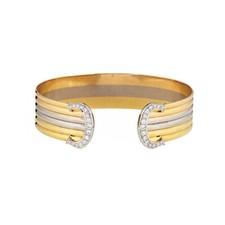
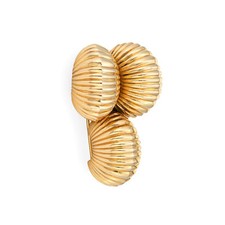
The post-war era brought a different aesthetic. In the 1950s, Berliners embraced bold, sculptural forms, often in gold-tone metals. These pieces are perfect for adding a touch of glamour to a modern outfit. Look for chunky cuffs or oversized earrings; they are statements on their own.
Where to Hunt
Berlin's vintage shops are as diverse as its neighborhoods. In Kreuzberg, you'll find edgy, affordable pieces tucked into racks of old denim and leather. In Charlottenburg, more refined boutiques offer estate jewelry from the city's elegant past. Don't overlook flea markets, especially on weekends. The Mauerpark flea market is a must, but also check the smaller ones in districts like Neukölln or Friedrichshain. You never know what you'll find: a 1940s brooch with a story, or a 1970s hammered silver necklace that feels both retro and contemporary.
A Tale of Two Eras
One of the most fascinating stories from Berlin's jewelry past involves the designer Elisabeth Treskow. She was a master of modernist jewelry in the 1920s, blending traditional goldsmithing with avant-garde design. Her work, often featuring intricate wirework and natural motifs, is a testament to Berlin's creative spirit. Another name to know is the company of Theodor Fahrner, whose Art Nouveau and Art Deco pieces were affordable and widely worn. A Fahrner ring, with its stylized flowers or geometric patterns, is a wonderful entry point into collecting. It's history you can wear on your finger.
How to Wear It
Don't relegate vintage jewelry to special occasions. Mix it with your everyday pieces. A 1970s amber pendant over a simple turtleneck, a pair of 1960s geometric earrings with a modern blazer. The key is to let the piece speak for itself. Let it be a conversation starter, a way to connect with someone who notices its unique character.
In Berlin, vintage jewelry is not about status or investment. It's about connection. To the past, to the city, to yourself. So go out, explore, and find a piece that feels like it was meant for you. Because in this city, the past is always within reach.