 Sign in
Berlin Time: Wearing Vintage Watches with Purpose
Berlin is a city that wears its history on its sleeve, and so should you. A vintage watch here is not a museum piece or an investment. It is a daily companion, a small machine that ticks along with you as you cross the Spree, queue for a gallery opening, or sip a late espresso in Mitte. The right one feels like it has always been part of your life, even if it left a Swiss factory decades ago.
Start with the strap. In Berlin, leather matters. A worn, dark brown strap with a faded patina suits the city's mix of rough edges and quiet elegance. Avoid shiny metal bracelets unless they are genuinely from the era. Pair a 1960s manual-wind piece with a simple linen shirt and a worn denim jacket. Let the watch sit slightly loose, not tight. That is the Berlin way: comfortable, unbothered, ready for a bike ride.
When you look for a watch, ignore perfection. A dial with a slight fade, a case with honest scratches, a crown that takes an extra second to screw down. These are not flaws. They are stories. A watch that has been serviced and runs well is worth more than a mint example that sits in a drawer. In Berlin's flea markets and small shops, ask to see the movement. A clean, ticking heart matters more than a shiny case.
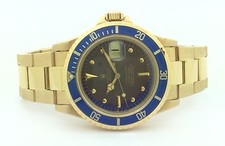
One era to keep in mind: the 1970s. This was a decade of bold design, and Berlin's brutalist architecture pairs perfectly with a chunky, cushion-shaped case from that time. Think of a Heuer or a Zodiac with a vivid dial, orange or deep blue. These watches were built for action, not for boardrooms. They fit the city's energy, its love of concrete and creativity. If you find one with a date window that pops, you are set.
Another story: the 1950s dress watch. In Berlin, where evenings can turn from a casual dinner to a late-night club without warning, a slim, hand-wound piece with a silver dial is a quiet chameleon. It works with a blazer or a turtleneck. The key is to wear it with confidence, not as a precious object. Let it bump against doorframes. Let it live.
Avoid the trap of buying what is popular. In Berlin, individuality is the currency. A lesser-known brand from the 1960s, a German maker like Dugena or Junghans, often offers more character than a famous Swiss name. These watches have a local soul. They were worn by people who walked the same streets you walk now. That connection is what makes a vintage watch truly special.
Finally, remember: a vintage watch is not a statement to others. It is a private conversation between you and time. In Berlin, where the past and present collide on every corner, that conversation is always worth having. Choose a watch that speaks to you, not to a collector's guide. Wear it daily, wind it, let it tick. That is the only way to truly own it.