 Sign in
Why Silk Scarves Matter Now
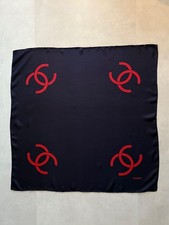
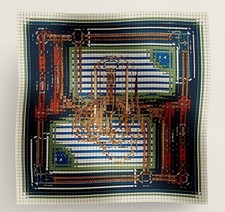
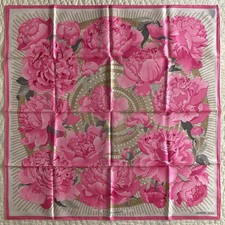
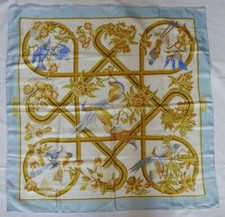
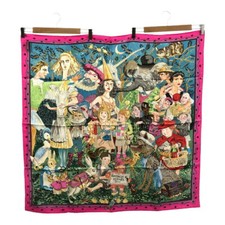
A silk scarf is the cheapest way into a serious label. The prints are small paintings, the hand-rolled edges are proper craft, and a good one costs less than a mediocre dinner. It is also the one accessory that works in every season.
Tokyo treats secondhand as a craft. Pieces are graded, described and looked after better than most new stock.
How to Wear It
Knot it at the neck, loose, over a crew neck or an open shirt. Nothing fussy.
Tie one to a bag handle — it dresses up a plain tote instantly.
Use it as a belt through denim loops, or fold it into a headscarf for wind and sun.
Where to Find Yours in Tokyo
- RAGTAG Harajuku (6-14-2 Jingumae, Shibuya) — authenticated designer resale over several floors, from around 20 euros
- Kindal Harajuku (4-26-27 Jingumae, Shibuya) — stock turns weekly, come back often, from around 45 euros
- Chicago Jingumae (6-31-21 Jingumae, Shibuya) — the basement is where it gets interesting, from around 60 euros
- Pass The Baton Omotesando (5-13-13 Jingumae, Shibuya) — consignment with the previous owner's story attached, from around 90 euros
Go on a weekday morning if you can. The rails are fullest before the weekend crowd arrives, and staff have time to show you what came in overnight.
What to Look For
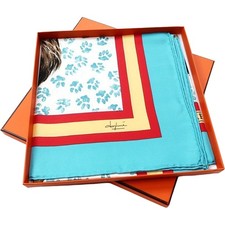
Hand-rolled edges are the tell: run a finger along the hem and feel for a small rolled ridge rather than a flat machine stitch. Check the signature in the print corner and hold the silk to the light — a fine, even weave with saturated colour on both sides means it was printed properly.
One last thing: try it on properly, walk around in it, and sit down. A silk scarf that only works standing still is not going to survive your actual life.