 Sign in
Why Denim Matter Now
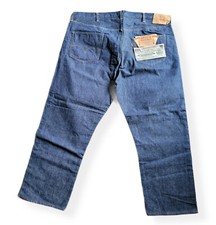
Vintage denim fits differently because it was cut differently — higher waists, straighter legs, heavier cotton that holds its shape all day. And the fade is real, earned by somebody else's decade of wearing.
Paris rewards restraint. One remarkable piece, everything else quiet — that is the whole trick.
How to Wear It
Let them sit at the natural waist. That is where the cut was designed to land.
Hem them yourself and leave the raw edge. A clean chop looks better than a factory finish.
Pair heavy denim with something soft — fine knitwear, a silk shirt — to keep the balance right.
Where to Find Yours in Paris
- Kilo Shop Marais (69 Rue de la Verrerie) — priced by weight, dig properly and you win, from around 20 euros
- Free'P'Star (8 Rue Sainte-Croix de la Bretonnerie) — the basement bins reward patience, from around 45 euros
- Thanx God I'm a V.I.P. (12 Rue de Lancry) — sorted by colour, designer rails near the front, from around 60 euros
- Marche aux Puces de Saint-Ouen (142 Rue des Rosiers, Saint-Ouen) — weekend only, Vernaison for the rare things, from around 90 euros
Go on a weekday morning if you can. The rails are fullest before the weekend crowd arrives, and staff have time to show you what came in overnight.
What to Look For
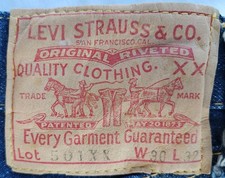
Check the back patch and the button stamp for a number that dates the pair. Selvedge — a clean white line inside the outseam — means older, better cotton. Try them on: vintage sizing runs small, so ignore the number on the tag and trust the waistband. Fraying at the crotch is the one repair that is rarely worth it.
One last thing: try it on properly, walk around in it, and sit down. A pair of vintage jeans that only works standing still is not going to survive your actual life.