 Sign in
Why Watches Matter Now
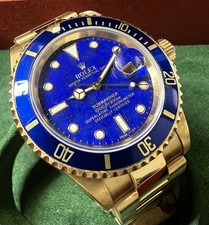
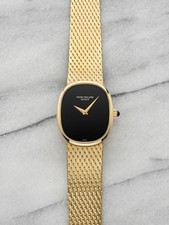
A vintage watch is the one accessory that never shouts. A patinated dial, a slightly yellowed lume, a bracelet that has softened to the wrist — these are the details that make people ask, quietly, what it is.
Tokyo treats secondhand as a craft. Pieces are graded, described and looked after better than most new stock.
How to Wear It
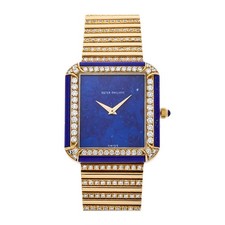
Keep the case small. A 34-36mm dial looks far more elegant than anything oversized.
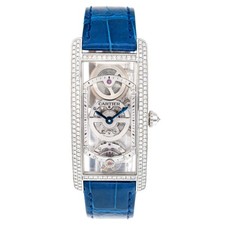
Swap the strap. A cheap leather band on a good watch undoes the whole thing.
Wear it slightly loose so it sits just past the wrist bone, half under the cuff.
Where to Find Yours in Tokyo
- RAGTAG Harajuku (6-14-2 Jingumae, Shibuya) — authenticated designer resale over several floors, from around 20 euros
- Kindal Harajuku (4-26-27 Jingumae, Shibuya) — stock turns weekly, come back often, from around 45 euros
- Chicago Jingumae (6-31-21 Jingumae, Shibuya) — the basement is where it gets interesting, from around 60 euros
- Pass The Baton Omotesando (5-13-13 Jingumae, Shibuya) — consignment with the previous owner's story attached, from around 90 euros
Go on a weekday morning if you can. The rails are fullest before the weekend crowd arrives, and staff have time to show you what came in overnight.
What to Look For
Ask when it was last serviced — a movement that has run dry is the expensive part. Check the dial under light for redialing: fonts that sit unevenly or print that looks too crisp for its age are warnings. Original bracelets add real value, and a boxed set with papers is always worth the premium.
One last thing: try it on properly, walk around in it, and sit down. A vintage watch that only works standing still is not going to survive your actual life.