 Sign in
Why Furniture Matter Now
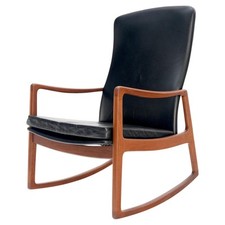
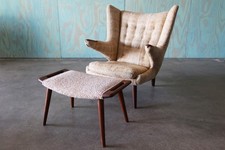
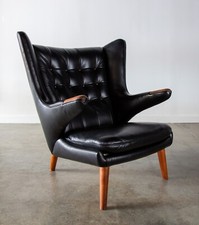
Mid-century furniture survives because it was made from solid wood by people who expected it to be repaired. A teak sideboard from 1962 will outlive anything flat-packed, and it already has the patina.
Tokyo treats secondhand as a craft. Pieces are graded, described and looked after better than most new stock.
How to Wear It
One strong vintage piece in a plain room does more than a whole matching set.
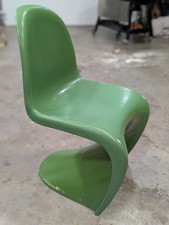
Mix eras deliberately — a sculptural old chair against a simple modern table.
Do not over-restore. A soft oil finish beats a fresh coat of lacquer every time.
Where to Find Yours in Tokyo
- RAGTAG Harajuku (6-14-2 Jingumae, Shibuya) — authenticated designer resale over several floors, from around 20 euros
- Kindal Harajuku (4-26-27 Jingumae, Shibuya) — stock turns weekly, come back often, from around 45 euros
- Chicago Jingumae (6-31-21 Jingumae, Shibuya) — the basement is where it gets interesting, from around 60 euros
- Pass The Baton Omotesando (5-13-13 Jingumae, Shibuya) — consignment with the previous owner's story attached, from around 90 euros
Go on a weekday morning if you can. The rails are fullest before the weekend crowd arrives, and staff have time to show you what came in overnight.
What to Look For
Pull out a drawer and look at the joints: dovetails mean solid construction, staples mean skip it. Check underneath for a maker's stamp or a Danish Control mark. Veneer lifting at the edges is a cheap repair; a warped or split top is not. Always sit in a chair before you commit — old joints announce themselves quickly.
One last thing: try it on properly, walk around in it, and sit down. A piece of vintage furniture that only works standing still is not going to survive your actual life.